
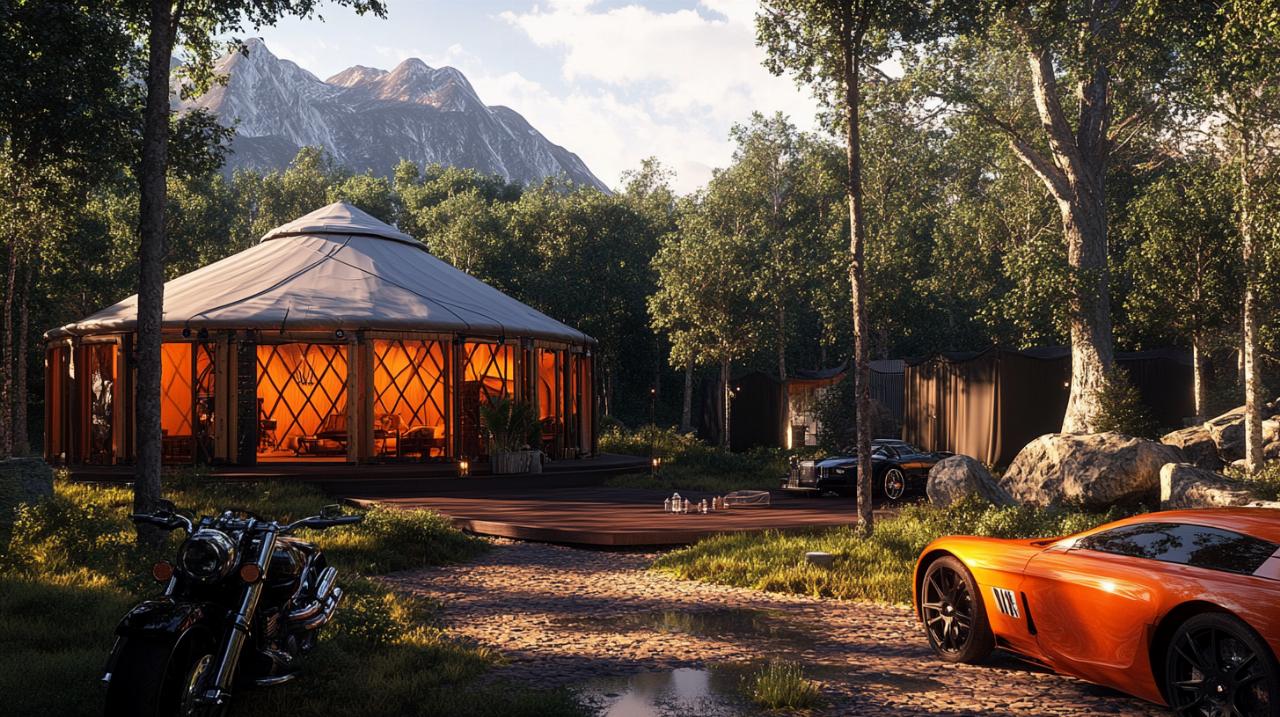
The world of event hosting continues to evolve, with organisers and venue owners seeking distinctive spaces that offer guests something beyond the traditional. Yurt structures, once primarily associated with nomadic cultures and camping holidays, have emerged as compelling alternatives to conventional event venues. These circular dwellings bring together natural materials, architectural intrigue, and a sense of adventure that resonates with modern audiences seeking authentic experiences.
Understanding the Potential of Yurt Structures for Events
The Historical Significance and Modern Appeal of Yurts
Yurts have served as homes for nomadic communities across Central Asia for thousands of years, with their design rooted in practicality and portability. The handcrafted structures from regions such as Kyrgyzstan showcase traditional building techniques, with willow frames and handwoven wool felt creating robust yet flexible dwellings. Today, these time-honoured designs have found new purpose in the events industry, where their cultural heritage adds depth and character to gatherings. The transition from functional shelter to celebrated event space reflects a broader trend towards experiential venues that tell a story and create lasting impressions. Modern interpretations maintain the essential architectural principles whilst incorporating contemporary materials and amenities that meet the demands of commercial use. This fusion of ancient wisdom and current innovation makes yurts particularly appealing for those seeking venues that balance authenticity with comfort.
Why Circular Design Creates an Intimate Atmosphere for Gatherings
The defining characteristic of yurt architecture is its circular form, which fundamentally changes how people interact within a space. Unlike rectangular rooms with corners and defined front areas, the round design encourages natural gathering and conversation, with no single position dominating the space. This democratic layout proves particularly effective for workshops, wellness activities, and social events where connection between participants is paramount. The absence of harsh angles creates a softer, more welcoming environment that many guests find inherently calming. The central roof opening, a traditional feature designed for ventilation and light, becomes a focal point that draws the eye upward and creates a sense of openness despite the enclosed space. For event organisers, this distinctive geometry offers creative opportunities for seating arrangements, decoration, and spatial flow that simply cannot be replicated in standard venue formats. The ciervomodular blog has explored similar concepts of how unconventional structural approaches can transform event experiences.
Essential weatherproofing and structural adaptations
Insulation techniques for year-round event hosting
Transforming a yurt into a viable year-round event space requires careful attention to thermal performance. Traditional felt coverings provide some insulation, but commercial venues demand more robust solutions to ensure guest comfort across all seasons. Modern yurt manufacturers offer insulated wall panels and reflective layers that dramatically improve heat retention without compromising the aesthetic appeal of the structure. Proper insulation extends beyond the walls to include flooring systems, with raised platforms and underlayment materials preventing heat loss through ground contact. Double-layer canvas systems create air pockets that serve as natural insulators whilst maintaining the authentic appearance that makes yurts so attractive. For venues in particularly challenging climates, supplementary heating systems can be discreetly integrated, with wood-burning stoves offering both warmth and atmospheric charm. The investment in proper weatherproofing pays dividends through extended booking seasons and the ability to host events regardless of external conditions, making the venue more financially viable.
Reinforcing yurt frames to meet safety regulations
Commercial event venues must comply with stringent safety standards that traditional yurt construction may not automatically satisfy. Structural assessments become essential when adapting these portable dwellings for public use, with particular attention to wind loading, snow weight, and occupancy limits. Reinforcing the characteristic lattice walls with additional bracing and securing systems ensures stability during adverse weather conditions. The compression ring at the apex, which holds the roof poles in place, may require engineering modifications to support heavier insulation layers and increased loads. Fire safety considerations demand careful material selection, with flame-retardant treatments for fabric elements and clear emergency exit planning. Many jurisdictions require professional certification of structural integrity before granting venue licences, making collaboration with qualified engineers a necessary step in the conversion process. These adaptations need not diminish the visual appeal of the structure, as skilled designers can integrate safety enhancements whilst preserving the organic aesthetic that defines yurt spaces.
Interior design strategies for transforming yurt spaces
Blending rustic charm with contemporary furnishings
The interior design of a yurt event space walks a delicate line between honouring the structure’s traditional roots and providing the sophistication expected by contemporary guests. Natural materials such as timber, woven textiles, and leather complement the organic feel of the space whilst modern furniture pieces introduce clean lines and functional comfort. The circular layout challenges conventional furniture arrangement strategies, rewarding creative approaches that embrace the geometry rather than fighting against it. Curved seating arrangements echo the walls, creating cohesive visual flow, whilst central features such as statement tables or decorative installations make use of the natural focal point beneath the crown. For wedding venues, the combination of rustic wooden elements with elegant table settings and floral arrangements produces a romantic atmosphere that feels both grounded and special. Corporate retreat spaces benefit from modular furnishings that can be reconfigured for different activities, from presentation setups to collaborative workshop arrangements. The key lies in selecting pieces that feel intentional and curated rather than simply filling the space, allowing the unique architecture to remain the star whilst ensuring practical comfort.
Lighting Solutions to Enhance the Circular Architecture
Illumination plays a transformative role in yurt venues, with the circular structure offering unique opportunities for dramatic lighting design. The central roof opening naturally draws attention upward, making pendant lights and chandeliers particularly effective focal points that emphasise the height and geometry of the space. Ambient lighting around the perimeter, whether through string lights, lanterns, or integrated LED strips, highlights the curve of the walls and creates a warm glow that enhances intimacy. Natural daylight filtering through canvas panels during daytime events produces a soft, diffused quality that flatters guests and creates excellent conditions for photography. For evening functions, layered lighting schemes allow for mood adjustments throughout the event, from bright illumination for dining to dimmed atmospheric lighting for dancing or relaxation. Uplighting directed at the canvas ceiling creates a luminous canopy effect, whilst carefully positioned spotlights can highlight decorative elements or architectural features. The absence of right angles means traditional corner lighting becomes irrelevant, instead favouring circular or radial lighting patterns that complement the space. This approach to illumination not only serves practical purposes but becomes an integral part of the aesthetic experience.
Adapting yurts for different event types
Creating romantic wedding venues with natural materials
Wedding ceremonies and receptions find a natural home within yurt structures, where the intimate scale and organic materials create an enchanting backdrop for celebrations. The circular space naturally draws guests together, fostering a sense of community and shared experience that rectangular halls often lack. Decorating yurts for weddings allows for creative expression through draped fabrics, floral installations that wrap around supporting poles, and suspended elements that take advantage of the vertical space. Many couples appreciate the connection to nature that yurts provide, particularly when situated in picturesque countryside settings where the venue feels integrated with its surroundings. The handcrafted nature of traditional yurt construction, especially those from regions like Kyrgyzstan with their wool felt and willow frames, adds an artisanal quality that resonates with couples seeking authenticity. Destination weddings particularly benefit from yurt venues, offering guests a unique cultural experience alongside the celebration. Practical considerations such as catering spaces, getting-ready areas, and guest accommodation can be addressed through clusters of yurts, each serving a specific function whilst maintaining aesthetic coherence. The versatility of these structures means they suit everything from intimate gatherings to larger celebrations, with some designs accommodating up to one hundred and fifty people.
Configuring Corporate Retreat Spaces for Productivity and Creativity
Businesses increasingly recognise that environment profoundly impacts creativity and collaboration, leading many to seek alternative venues for corporate events, team-building exercises, and strategic retreats. Yurts offer a refreshing departure from sterile conference rooms, providing a space that feels removed from daily routines whilst maintaining professional functionality. The circular layout naturally facilitates group discussions and workshops, with no hierarchical seating positions and excellent sightlines for all participants. Technology integration becomes essential for corporate use, requiring reliable power supplies, projection capabilities, and wireless connectivity that meet business standards. The unique setting helps break down formal barriers between colleagues, encouraging more open communication and innovative thinking. Activity-based configurations allow the space to transform throughout the day, from presentation format to breakout groups to social gatherings. Many organisations pair yurt meeting spaces with outdoor activities or wellness elements such as yoga and meditation sessions, creating comprehensive retreat experiences. The memorable nature of the venue itself becomes a talking point that extends the impact of the event beyond the immediate occasion. For companies emphasising sustainability and environmental responsibility, eco-friendly yurt venues align with corporate values whilst offering practical event solutions.
Location considerations for yurt event venues
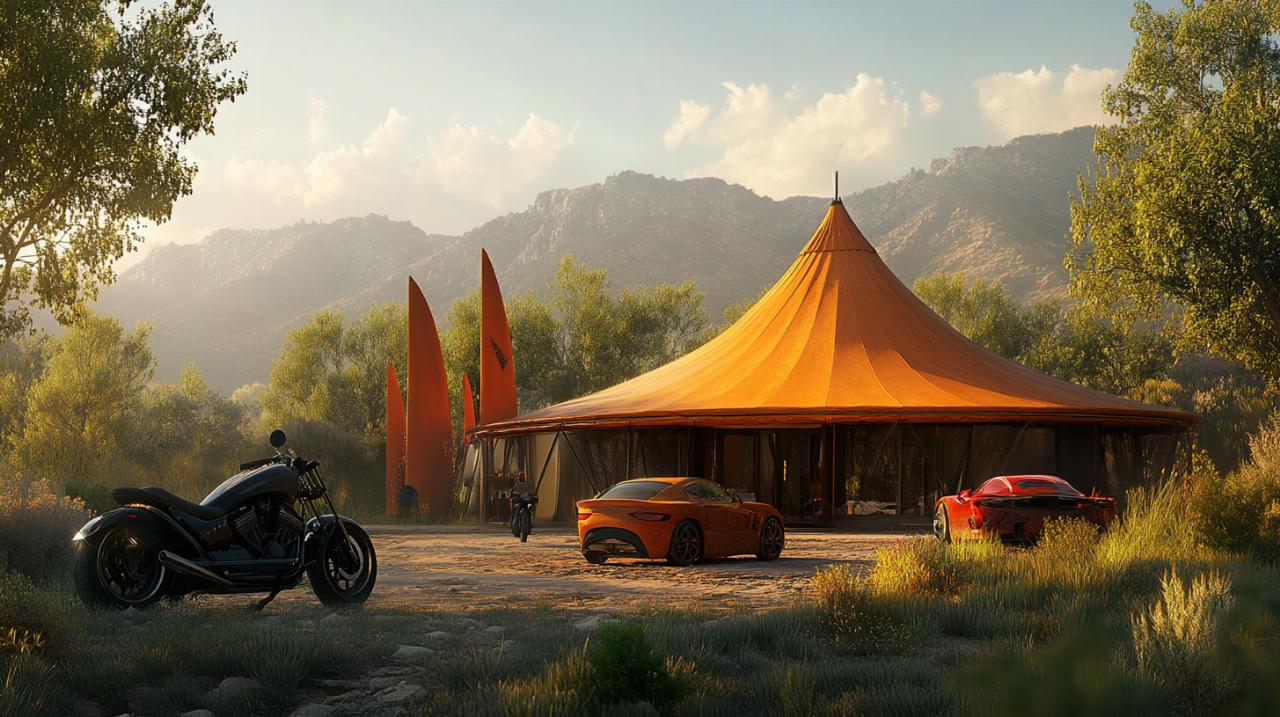
Selecting picturesque countryside settings for maximum impact
The setting of a yurt venue contributes enormously to its appeal, with rural locations offering opportunities to create truly immersive experiences. Countryside placements allow guests to disconnect from urban pressures and engage more fully with the event at hand, whether that be a wedding celebration, wellness retreat, or creative workshop. Natural surroundings enhance the organic aesthetic of yurt structures, creating visual harmony between built environment and landscape. Considerations for rural sites include access roads suitable for guest vehicles, adequate parking facilities, and distance from accommodation options if overnight stays are not provided on site. Scenic views become valuable assets, with transparent door panels and strategic positioning allowing guests to appreciate the surroundings from within the comfort of the structure. Seasonal variations in the landscape offer different atmospheres throughout the year, from spring blossoms to autumn colours, giving repeat visitors fresh experiences. Planning permissions in countryside locations often present unique challenges, requiring engagement with local authorities and sometimes conservation bodies. The remoteness that makes rural settings attractive also demands careful logistical planning for catering deliveries, waste management, and emergency access. Successfully executed, these picturesque locations elevate yurt venues from interesting alternatives to destination experiences.
Innovative urban rooftop installations for city-based events
Whilst rural settings represent the traditional context for yurt venues, innovative urban installations demonstrate the adaptability of these structures to diverse environments. Rooftop locations in particular offer exciting possibilities, combining the distinctive architecture of yurts with dramatic cityscapes and convenient accessibility for urban audiences. These installations challenge perceptions of what yurt spaces can be, positioning them as sophisticated urban amenities rather than solely countryside attractions. Structural considerations become more complex in urban settings, with building regulations, weight restrictions, and wind exposure requiring careful engineering assessment. The contrast between organic yurt design and surrounding urban architecture creates visual interest and memorable backdrops for photography. Urban yurt venues tap into different markets, including corporate clients seeking unique meeting spaces, cultural organisations hosting pop-up events, and social gatherings desiring distinctive settings without lengthy travel. Temporary installations for festivals or seasonal events demonstrate the portable nature of yurt structures, with some organisers creating temporary venues that can be dismantled and relocated. The logistics of urban placement differ significantly from rural sites, involving considerations such as noise restrictions, access via lifts or stairs, and coordination with building management. These creative urban applications expand the commercial viability of yurt venues whilst introducing new audiences to their distinctive qualities.
Accessibility and practical infrastructure requirements
Ensuring Disabled Access and Compliance with Venue Standards
Creating an inclusive event space requires thoughtful attention to accessibility, ensuring that all guests can comfortably participate regardless of physical abilities. The traditional ground-level entry of yurts offers advantages over venues with multiple steps, though threshold details and flooring transitions require careful design to eliminate barriers. Internal layout planning must accommodate wheelchair users and those with mobility aids, with sufficient circulation space and appropriate furniture heights. Accessible toilet facilities represent a significant practical consideration, often requiring separate structures positioned conveniently near the main yurt space. Signage, lighting levels, and acoustic properties all contribute to accessibility for guests with sensory impairments, demanding consideration during the design phase rather than as afterthoughts. Compliance with equality legislation varies by jurisdiction but universally demands that commercial venues demonstrate commitment to inclusive access. Some adaptations, such as ramped approaches or wider door openings, can be integrated into the design without compromising aesthetic appeal. Staff training ensures that accessibility features are properly understood and that assistance is offered appropriately to guests who may benefit from support. The investment in comprehensive accessibility not only fulfils legal obligations but significantly expands the potential market for the venue, welcoming groups and events that might otherwise look elsewhere.
Installing essential amenities and utilities
Transforming a basic yurt structure into a functional event venue requires substantial infrastructure that guests might take for granted but which demands careful planning and investment. Power supplies must be reliable and adequate for lighting, heating, catering equipment, and any entertainment technology, whether provided through mains connection or generator systems. Water provision becomes essential for catering, toilet facilities, and general cleaning, with considerations for both supply and wastewater management. Heating and cooling systems ensure guest comfort across seasons, with options ranging from traditional wood burners to modern climate control installations. Internet connectivity has evolved from luxury to necessity for many corporate events and even social gatherings, requiring robust wireless systems or mobile signal boosters in remote locations. Kitchen facilities or catering preparation areas need proper equipment, food safety compliance, and sufficient space for professional operation. Storage solutions for furniture, equipment, and supplies between events help maintain the venue whilst protecting investments. Waste management systems, including recycling facilities, reflect both practical necessity and growing environmental expectations from clients. The challenge lies in integrating these modern amenities whilst preserving the distinctive character that makes yurt venues appealing, hiding infrastructure where possible and ensuring that practical elements enhance rather than detract from the guest experience.
Marketing Your Yurt as a Distinctive Event Space
Highlighting the Unique Selling Points of Portable Dwellings
Successful marketing of yurt event venues requires clear communication of what distinguishes these spaces from conventional alternatives. The uniqueness itself becomes a primary selling point, offering event organisers and guests something genuinely different from standard hotel ballrooms or function halls. Visual marketing proves particularly powerful, with photography and video content showcasing the distinctive architecture, atmospheric lighting, and natural materials that define yurt spaces. Storytelling that connects the venue to cultural heritage, craftsmanship, and traditional building techniques adds depth and meaning beyond mere aesthetics. Target audiences vary widely, from couples seeking memorable wedding venues to corporate clients pursuing team-building environments and festival organisers requiring flexible entertainment spaces. Each audience segment responds to different messaging, requiring tailored communication that speaks to specific needs and aspirations. The versatility of yurt structures allows marketing across multiple event categories, from glamping accommodation to wellness centres, champagne bars to workshop spaces. Client testimonials and case studies provide social proof, demonstrating successful events and satisfied customers who can vouch for the experience. Seasonal marketing strategies acknowledge that yurt venues offer different appeals at different times of year, from cosy winter retreats to airy summer celebrations. The growing interest in sustainable and eco-friendly options positions well-designed yurt venues favourably among environmentally conscious clients.
Building Partnerships with Event Planners and Festival Organisers
Direct marketing to end clients represents only one avenue for building a successful yurt venue business, with professional relationships often providing more sustainable booking streams. Event planners constantly seek distinctive venues to offer their clients, and those who have positive experiences with yurt spaces become valuable advocates and repeat customers. Developing comprehensive information packages that address common planner concerns about capacity, facilities, accessibility, and logistics facilitates decision-making and demonstrates professionalism. Festival organisers represent a particularly relevant market segment, as yurts can serve multiple functions within festival sites, from VIP hospitality areas to wellness spaces, retail locations to accommodation options. Offering flexible arrangements, from long-term seasonal installations to short-term event-specific placements, increases the venue’s appeal to organisers with varying needs. Participation in industry trade shows and events provides opportunities to showcase yurt venues directly to decision-makers whilst networking with complementary service providers. Building relationships with catering companies, entertainment suppliers, and other event professionals creates referral networks that benefit all parties. Collaborative marketing initiatives, where the yurt venue features in broader destination or experience marketing, expand reach beyond what individual promotion might achieve. Educational content that helps planners understand how to maximise yurt spaces for specific event types positions the venue operator as a knowledgeable partner rather than simply a space provider.
Planning and Execution for Successful Yurt Events
Creating Comprehensive Timelines from Concept to Launch
Transforming a yurt structure into a functioning event venue represents a significant undertaking that benefits enormously from detailed project planning. Initial concept development should include clear definition of target markets, desired capacity, and the types of events the venue will prioritise. Site selection or preparation follows, with thorough assessment of ground conditions, access requirements, and regulatory considerations specific to the location. Procurement of the yurt structure itself requires research into suppliers, with options ranging from traditional handcrafted models to modern commercial designs, each offering different characteristics and price points. Construction or installation timelines vary depending on structure complexity and site preparation requirements, with weather conditions potentially affecting outdoor work schedules. Infrastructure installation often represents the longest phase, encompassing utilities, access paths, parking areas, and any ancillary structures such as toilet blocks or storage facilities. Interior fit-out transforms the basic structure into a finished venue, requiring coordination of furnishings, lighting, decorative elements, and equipment. Testing periods before official launch allow identification and resolution of practical issues, from acoustics to climate control performance. Soft launch events with invited guests provide valuable feedback whilst generating initial marketing content and testimonials. Regulatory approvals and licensing must align with the launch timeline, requiring early engagement with authorities and realistic expectations about processing times. Comprehensive planning that anticipates challenges and builds in contingency time increases the likelihood of a smooth launch and successful operation.
Managing guest expectations and delivering memorable experiences
The distinctive nature of yurt venues brings both opportunities and responsibilities regarding guest expectations, as visitors may have limited experience with these structures and uncertain preconceptions. Clear communication before arrival helps guests prepare appropriately, particularly regarding footwear for potentially grassy approaches, clothing suitable for variable temperatures, and accessibility of facilities. First impressions prove crucial, with well-maintained approaches, clear signage, and welcoming entry experiences setting positive tones for events. Staff training ensures that everyone representing the venue understands its unique features and can answer common questions whilst addressing concerns with confidence and professionalism. Temperature management often requires more active attention than in conventional buildings, with monitoring and adjustment throughout events ensuring consistent comfort. Acoustic properties of fabric-walled structures differ from solid buildings, affecting music volume decisions and requiring consideration during event planning. The intimate scale of yurt spaces means that details matter enormously, from table settings to lighting adjustments, with small touches significantly impacting overall atmosphere. Flexibility and problem-solving abilities become essential operational skills, as the unconventional nature of the venue occasionally presents unexpected challenges requiring creative solutions. Follow-up communication after events, seeking feedback and addressing any concerns, builds relationships and provides insights for continuous improvement. Successfully managed, yurt venues deliver experiences that guests remember and discuss long after the event, generating valuable word-of-mouth promotion and repeat business that sustains the venture.