
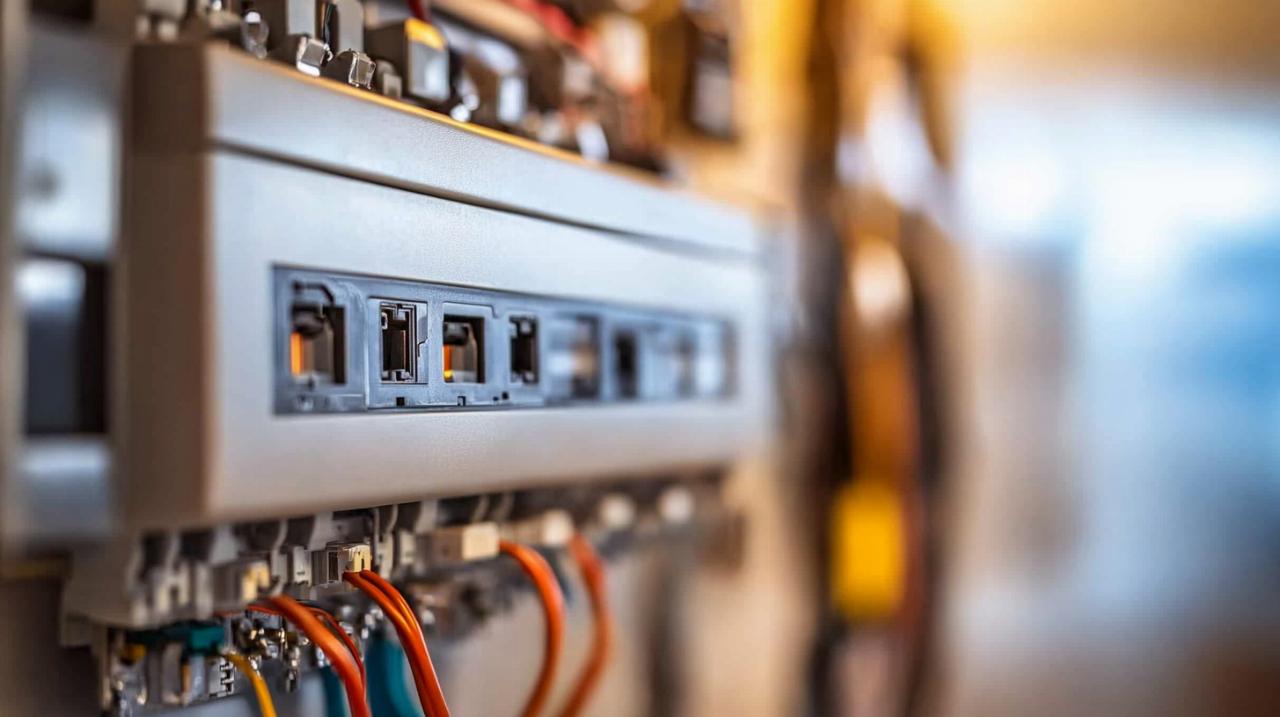
Electric radiators have become a popular choice for heating homes across the UK, offering efficient and convenient warmth during the colder months. However, ensuring these appliances operate safely requires careful consideration of the electrical infrastructure supporting them. One often overlooked aspect is the selection of an appropriate circuit breaker, a crucial component that safeguards both the radiator and your home from potential electrical hazards. Understanding the relationship between your electric radiator's power requirements and the circuit protection it needs is essential for maintaining a secure and reliable heating system.
Understanding Circuit Breakers and Their Role in Electric Radiator Safety
What does a circuit breaker actually do?
Circuit breakers serve as the first line of defence in your home's electrical system. Their primary function is to monitor the flow of electricity and automatically interrupt the supply when they detect an abnormality. This might include an overload, where too much current flows through the circuit, or a short circuit, where electricity takes an unintended path. When either situation occurs, the circuit breaker trips, cutting off the power and preventing potentially dangerous conditions. Unlike fuses, which must be replaced after they blow, circuit breakers can be reset once the fault is corrected, making them both convenient and cost-effective for long-term use. Modern circuit breakers are designed to respond quickly to faults, minimising the risk of overheating, fire, or electric shock.
Why electric radiators require proper circuit protection
Electric radiators draw significant amounts of power, especially when heating larger spaces or operating at maximum capacity. This substantial electrical demand means that the circuit supplying the radiator must be adequately protected to handle the load. Without the correct circuit breaker in place, several risks emerge. An undersized breaker may trip frequently, causing inconvenience and disrupting your heating. More seriously, an oversized breaker might fail to trip when it should, allowing excessive current to flow through the wiring. This can lead to overheating of cables, damage to the radiator, and in the worst cases, electrical fires. The global marinas website and other resources emphasise the importance of matching your circuit protection to your specific appliance requirements. When installing electric radiators, particularly those rated at higher wattages such as models requiring a sixteen amp fuse for units of two thousand five hundred watts or more, the circuit breaker becomes an indispensable safety feature. Proper protection ensures that your radiator operates efficiently whilst safeguarding your household from electrical dangers.
Calculating the Correct Amperage Rating for Your Electric Radiator
How to determine your radiator's wattage requirements
Before selecting a circuit breaker, you must first establish the power consumption of your electric radiator. This information is typically found on the appliance's rating plate or in the manufacturer's documentation. The wattage indicates how much electrical power the radiator draws during operation. For instance, a common electric radiator might be rated at one thousand five hundred watts, whilst larger models could reach two thousand five hundred watts or more. Once you know the wattage, you can calculate the current draw using a straightforward formula. In the UK, domestic electricity is supplied at two hundred and thirty volts. Dividing the radiator's wattage by this voltage gives you the current in amperes. For example, a two thousand watt radiator would draw approximately eight point seven amps, whilst a three thousand watt model would require around thirteen amps. Understanding these figures is essential for choosing a circuit breaker that can handle the load without nuisance tripping or inadequate protection.
Matching Breaker Amperage to Prevent Tripping and Ensure Protection
Once you have calculated the current draw of your electric radiator, selecting the appropriate circuit breaker becomes a matter of balancing protection and functionality. The breaker's amperage rating should be higher than the radiator's normal operating current to prevent unnecessary tripping during regular use, but not so high that it fails to provide adequate protection against faults. Industry guidance from manufacturers such as Schneider Electric suggests that circuit breakers are rated for specific ambient temperatures, typically thirty degrees Celsius for domestic applications and forty degrees Celsius for industrial settings. Factors such as ambient temperature can affect the performance of thermal tripping units, which may require derating in particularly hot environments. For most domestic electric radiators, a sixteen amp circuit breaker is commonly recommended, particularly for units rated at two thousand five hundred watts or above. This rating provides sufficient capacity for the radiator whilst still offering robust protection against overloads and short circuits. It is advisable to use a dedicated circuit for high-power radiators, ensuring that other appliances do not share the same circuit and potentially cause overloading. This approach not only enhances safety but also improves the reliability of your heating system.
Professional Installation and Compliance with Wiring Regulations
Why you should always consult a qualified electrician
Whilst understanding the basics of circuit breaker selection is valuable, the actual installation and configuration of electrical systems should always be entrusted to a qualified electrician. These professionals possess the expertise and certification required to ensure that all work complies with current safety standards and regulations. Attempting to install or modify electrical circuits without proper training can result in serious hazards, including electric shock, fire, and damage to your property. A qualified electrician will assess your existing electrical infrastructure, calculate the precise load requirements, and install the appropriate circuit breaker and wiring. They will also ensure that all connections are secure and that the installation is tested thoroughly before being put into service. For fixed installations, particularly those involving high-power appliances such as electric radiators, an all-phase circuit breaker may be necessary. If your mains cable requires replacement or modification, this work should only be undertaken by the manufacturer, their authorised service personnel, or a qualified electrician. Professional installation provides peace of mind and ensures that your heating system operates safely and efficiently.
Ensuring your installation meets uk wiring standards
In the UK, all electrical installations must comply with the current edition of the Institution of Engineering and Technology Wiring Regulations, commonly known as BS 7671. These regulations set out comprehensive requirements for the design, installation, and verification of electrical systems, with the aim of protecting people and property from electrical hazards. When installing electric radiators, compliance with these standards is not optional but a legal requirement. This includes using appropriate cable types, such as H05VV-F cable with a cross-sectional area of three by one point five square millimetres for connections, and ensuring that all circuits are correctly earthed. Additional considerations apply when installing radiators in specific locations, such as bathrooms. In these environments, heaters must be kept away from baths and showers, and thermostats should be positioned so they cannot be reached from these areas. The installation must follow VDE 0700, part 701, which provides specific guidance for electrical equipment in bathrooms. Fixed installations require proper segregation of circuits, and all work must be inspected and tested by a competent person. Adhering to these standards not only ensures compliance with the law but also maximises the safety and longevity of your heating system.
The Benefits of Proper Circuit Breaker Selection for Home Safety
Preventing Electrical Fires and Shocks in Your Home
The primary benefit of selecting the correct circuit breaker for your electric radiator is the prevention of electrical fires and electric shocks. Electrical fires often start when cables or appliances overheat due to excessive current flow, a situation that a properly rated circuit breaker can prevent by tripping before dangerous temperatures are reached. Similarly, circuit breakers protect against electric shocks by cutting off the supply when they detect a fault, such as a short circuit or earth fault. This rapid response is particularly important in households where children or vulnerable individuals may be present. The surface temperature of electric radiators can reach seventy degrees Celsius during operation, and whilst this is a normal part of their function, any electrical fault could increase this temperature to dangerous levels. A correctly specified circuit breaker ensures that any such fault is detected and isolated immediately, minimising the risk to occupants and property. Regular maintenance and testing of circuit breakers, combined with professional installation, create a robust safety system that provides continuous protection.
Maintaining a Safe and Reliable Heating System
Beyond immediate safety concerns, proper circuit breaker selection contributes to the long-term reliability and efficiency of your heating system. When a circuit breaker is correctly matched to the load, it allows the electric radiator to operate at its designed capacity without interruption. This means consistent warmth throughout your home and reduced wear on the appliance itself. Frequent tripping due to an undersized breaker can cause stress on the radiator's internal components, potentially shortening its lifespan. Conversely, an oversized breaker that fails to trip when it should can allow faults to persist, leading to gradual damage that may not be immediately apparent. By investing in the correct circuit protection from the outset, you ensure that your heating system remains dependable for years to come. It is also important to ensure that your plug socket is easily accessible and that a gap of at least thirty centimetres is maintained between the heater and any sockets or combustible materials. Electric radiators should never be covered whilst in operation, as this poses a serious fire risk. By following these guidelines and ensuring that your circuit breaker is fit for purpose, you create a heating system that is both safe and efficient, providing peace of mind throughout the heating season.