
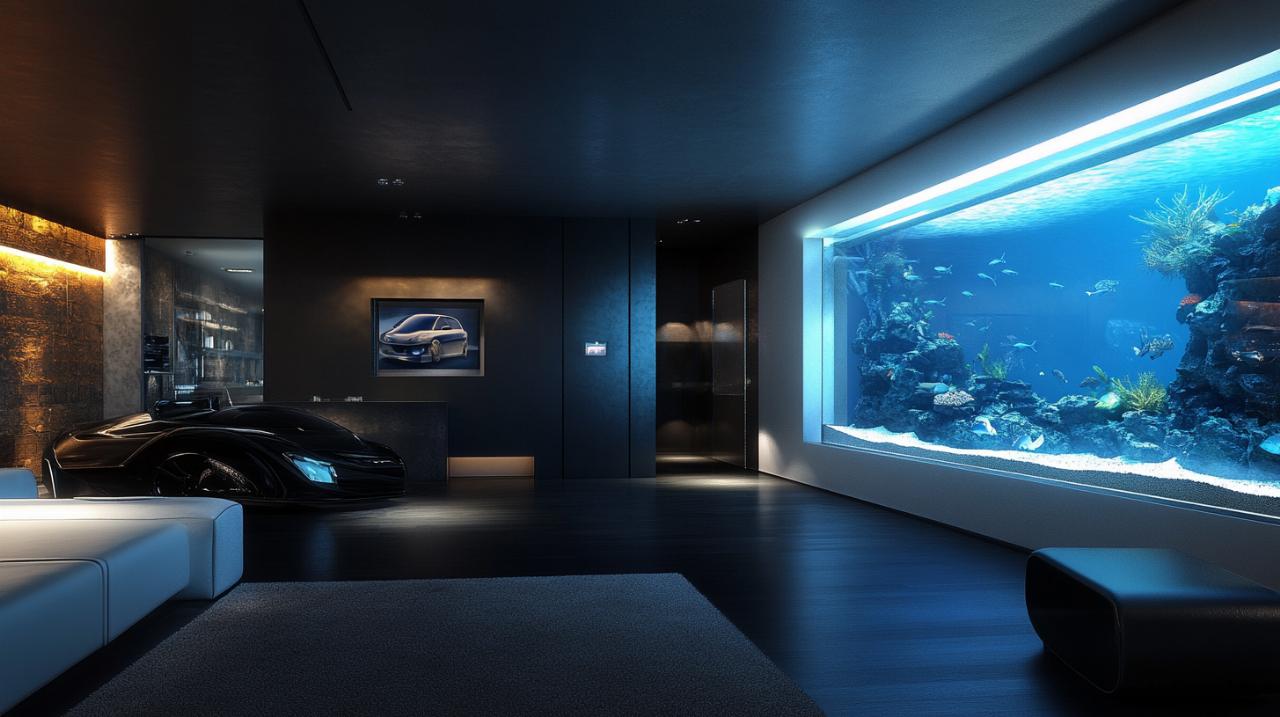
Wall-mounted aquariums have emerged as a striking way to merge the tranquillity of aquatic life with modern interior design. These installations transform ordinary walls into captivating focal points, offering both visual interest and the soothing presence of fish. However, achieving the perfect balance between stunning aesthetics and practical functionality requires careful planning and consideration across multiple dimensions, from structural integrity to the wellbeing of the inhabitants within.
Design Considerations for Visual Appeal and Practical Maintenance
When integrating a wall-mounted aquarium into your living space, the initial step involves selecting a location that enhances your room's character while facilitating everyday upkeep. The placement should complement existing furniture and lighting, creating a harmonious visual flow rather than disrupting the space. Many homeowners find that positioning these tanks at eye level in communal areas such as lounges or dining rooms maximises their impact, drawing attention without overwhelming the surroundings. You might want to visit casadelasangelitas website for inspiration on integrating aquatic features into sophisticated interiors, as their approach to blending natural elements with design can offer valuable insights.
Choosing the Right Location and Style for Your Space
The style of your wall-mounted aquarium should reflect the broader aesthetic of your home. Contemporary spaces often benefit from sleek acrylic designs that offer clean lines and transparency, while more traditional settings might favour framed installations with darker tones. Acrylic tanks present a particularly appealing option, being approximately fifty percent lighter and seventeen times stronger than their glass counterparts, making them both safer and easier to install. The depth of these units typically ranges from four to six inches, creating a slender profile that fits neatly into various room configurations without protruding excessively. Consider how the tank's shape and finish will interact with wall colours, adjacent artwork, and existing décor elements to ensure a cohesive look.
Planning for Easy Access and Routine Tank Care
Aesthetic appeal must never come at the expense of practicality. Regular maintenance tasks such as feeding, water changes, and cleaning require straightforward access to the tank. Position the aquarium where you can comfortably reach the top opening and any filtration components without needing to move furniture or stretch uncomfortably. Weekly water changes of fifteen to twenty percent are essential for maintaining a healthy environment, so ensuring the tank is near a water source or easily accessible with containers is crucial. Filtration systems should be checked regularly, and the design should allow for swift removal and cleaning of filters without disrupting the inhabitants or creating unnecessary hassle.
Structural safety and proper installation requirements
The allure of a wall-mounted aquarium can quickly fade if structural safety is overlooked. Water is deceptively heavy, with each gallon weighing approximately eight point three four pounds. Even a modest ten-gallon tank can exert over one hundred pounds of pressure on your wall when filled with water, substrate, and decorations. This substantial weight demands robust support systems and careful consideration of wall construction to prevent damage or catastrophic failure.
Understanding weight distribution and wall support systems
Interior walls are generally suitable for tanks holding under fifteen gallons, provided they are properly reinforced. The key lies in distributing the weight across multiple wall studs using appropriate brackets and mounting hardware. It is essential to assess the wall's composition before installation, as plasterboard alone cannot bear such loads without reinforcement. Locating wall studs and securing the mounting frame directly to these structural elements ensures the aquarium remains stable over time. For larger installations or external walls, additional bracing or consultation with a structural engineer may be necessary to guarantee safety and prevent gradual sagging or sudden detachment.
Professional installation versus diy mounting options
While enthusiastic DIY enthusiasts may be tempted to tackle installation independently, the risks associated with improper mounting warrant serious consideration of professional assistance. Experienced installers bring expertise in assessing wall integrity, selecting appropriate fixtures, and ensuring the tank is perfectly level, which is vital for even water distribution and equipment function. Professional installation also typically includes warranties or guarantees, offering peace of mind. However, if you possess solid carpentry skills and access to the right tools, a DIY approach can be rewarding, provided you thoroughly research the process, use quality materials, and double-check every measurement and connection before filling the tank.
Selecting appropriate fish species and tank specifications
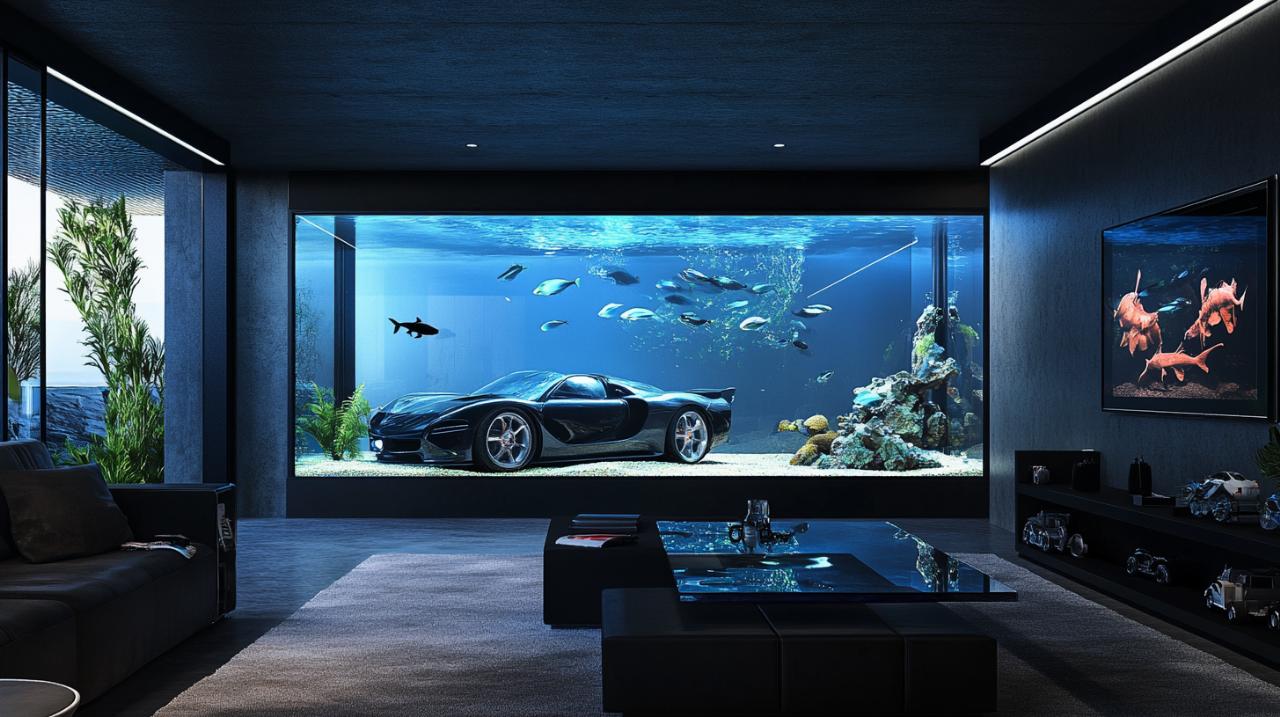
A beautiful aquarium loses its charm if the inhabitants are unsuitable for the environment. The limited volume and unique dimensions of wall-mounted tanks mean careful selection of aquatic life is paramount. Choosing species that thrive in smaller spaces and can adapt to the shallower depth typical of these installations ensures both the health of the fish and the long-term success of your display.
Matching tank size to suitable aquatic life
Smaller species are ideally suited to wall-mounted aquariums. Betta fish, with their vibrant colours and relatively modest space requirements, are a popular choice, thriving in solitary setups that showcase their flowing fins. White Cloud Mountain Minnows and Endler's Livebearers bring lively movement and schooling behaviour to slightly larger tanks, while Ember Tetras add a warm glow with their rich orange hues. Invertebrates such as Cherry Shrimp and Mystery Snails also make excellent additions, contributing to both the visual appeal and the ecological balance by assisting with algae control. Avoid larger or highly active species that require extensive swimming space or more complex territorial arrangements, as these will struggle in the confined dimensions of a wall-mounted unit.
Creating the Ideal Environment for Your Chosen Fish
Beyond selecting compatible species, replicating their natural habitat is essential. This involves maintaining stable water parameters, including temperature, pH, and hardness, tailored to the specific needs of your fish. Substrate choice, whether fine gravel or sand, should accommodate the natural behaviours of your inhabitants, such as foraging or burrowing. Live or artificial plants not only enhance the visual appeal but also provide hiding spots and territorial markers, reducing stress. Regular monitoring of water quality, coupled with consistent feeding schedules and prompt attention to any signs of illness, ensures a thriving aquatic community that remains a joy to observe day after day.
Optimising Lighting for Health and Visual Impact
Lighting serves a dual purpose in wall-mounted aquariums, enhancing the visual drama while supporting the biological needs of fish and plants. Striking the right balance between these functions requires thoughtful selection of lighting systems and careful calibration of intensity and duration.
Balancing aesthetic illumination with biological needs
The interplay of light and water creates mesmerising effects, with shimmering reflections and enhanced colours drawing the eye. However, excessive or poorly timed lighting can promote algae growth and stress fish, while insufficient light hampers plant photosynthesis and dulls the overall display. Most aquatic species benefit from a consistent day-night cycle, typically twelve hours of light followed by twelve hours of darkness, mimicking natural conditions. Adjustable LED systems allow precise control over colour temperature and brightness, enabling you to create warm, inviting glows in the evening or brighter, cooler tones during the day. Interactive features such as programmable timers and remote controls add convenience, ensuring your aquarium always looks its best without constant manual adjustments.
Selecting the Best Lighting Systems for Plants and Fish Wellbeing
LED lighting has become the preferred choice for modern aquariums, offering energy efficiency, longevity, and versatility. For planted tanks, full-spectrum LEDs provide the wavelengths necessary for healthy growth, while colour-enhancing options highlight the natural brilliance of your fish. Smart aquarium systems integrate lighting with filtration and monitoring, offering a holistic approach to tank management. These systems can alert you to changes in water quality, adjust lighting based on ambient room conditions, and even simulate sunrise and sunset for a more natural environment. When selecting lighting, consider the specific requirements of your plants and fish, the depth of your tank, and the overall aesthetic you wish to achieve, ensuring every element works in harmony to create a captivating and healthy aquatic display.